Federal Firearms Sentencing: What You Need to Know
A first-time offender caught with an unregistered Glock 19 with an obliterated serial number faces a mandatory minimum of 5 years in federal prison. That’s the reality of U.S. firearms sentencing guidelines – and ignorance of the law won’t get you leniency. At Georgiafrt, we believe responsible gun ownership starts with understanding the legal consequences.
Mandatory Minimums for Firearm Offenses
Federal law imposes harsh mandatory minimums under 18 U.S.C. § 924(c). Simple possession during a drug trafficking crime or violent felony carries 5 years. Add a silencer, short-barreled rifle (like an AR-15 pistol under 16″), or fully automatic conversion (even just possessing the auto sear), and that jumps to 10 years. These sentences must run consecutively to any other charges. We’ve seen cases where a single illegal modification turned a 2-year state sentence into a 12-year federal nightmare.
The Armed Career Criminal Act (ACCA)
ACCA enhancements apply to felons in possession with three prior “violent felony” or “serious drug offense” convictions. This bumps the maximum from 10 years to a mandatory 15-year minimum. What counts as a violent felony? Burglary convictions often qualify, even if no weapon was involved. At Georgiafrt, we recommend consulting an attorney before purchasing any firearm if you have prior convictions – what seems like a simple background check approval could become an ACCA case.
State vs Federal Sentencing Differences
Georgia state law tends to be more lenient than federal guidelines for first-time offenders. A first-offense felony firearm possession might get probation at state level, but the same case picked up by ATF means mandatory federal time. The key difference? Federal prosecutors almost always pursue maximum penalties, especially for:
- Straw purchases (buying for someone who can’t pass a background check)
- Trafficking more than 2-3 guns
- Possession with drug distribution quantities
Mitigating Factors That Can Help
While mandatory minimums limit judicial discretion, these factors can sometimes reduce sentences:
- Acceptance of responsibility (pleading guilty early)
- No prior violent history
- Evidence the firearm was solely for self-defense
- Completion of drug treatment programs
We’ve seen cases where proper legal strategy cut a 10-year sentence down to 3. But this requires an experienced firearms attorney – public defenders often lack the specific expertise needed.
Recent Changes to Watch
The 2023 Bruen decision is starting to impact sentencing, with some courts overturning convictions for carrying without permits. However, this doesn’t affect most federal charges. More significant is the 2025 DOJ memo prioritizing prosecution of:
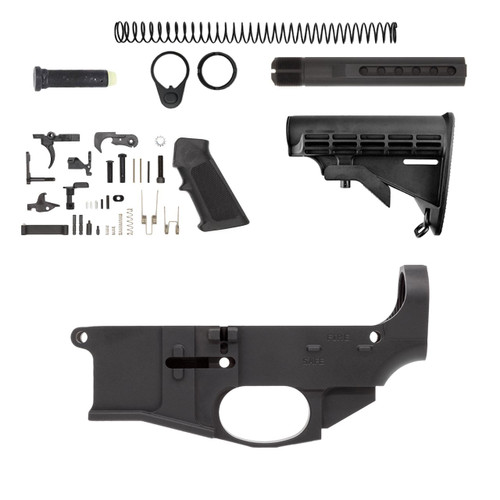
- Ghost guns (especially unserialized Polymer80 builds)
- Machine gun conversion devices (like Glock switches)
- Social media posts showing illegal modifications
Even joking about these topics online can trigger an ATF investigation.
What’s the sentence for lying on ATF Form 4473?
Lying on a background check (Question 11b about drug use, for example) is a felony punishable by up to 10 years, though first offenses often get 18-24 months. We’ve seen cases where someone checked “no” while having a medical marijuana card – that’s enough for charges.
Does owning a bump stock increase my sentencing risk?
Since the 2018 ban, mere possession carries up to 10 years. If found during another crime (even a non-violent one), prosecutors will stack charges. We recommend turning in any bump stocks through an ATF amnesty program.
How does sentencing work for antique firearms?
Pre-1898 antiques are generally exempt, but modifying them to fire modern ammunition (like converting a Colt SAA to .357 Magnum) removes the exemption. Courts have imposed 5-year sentences for loaded antiques during drug deals.
Stay legal with properly transferred firearms from Georgiafrt’s vetted collection. Our FFL ensures all paperwork meets ATF requirements.
Last updated: April 28, 2026