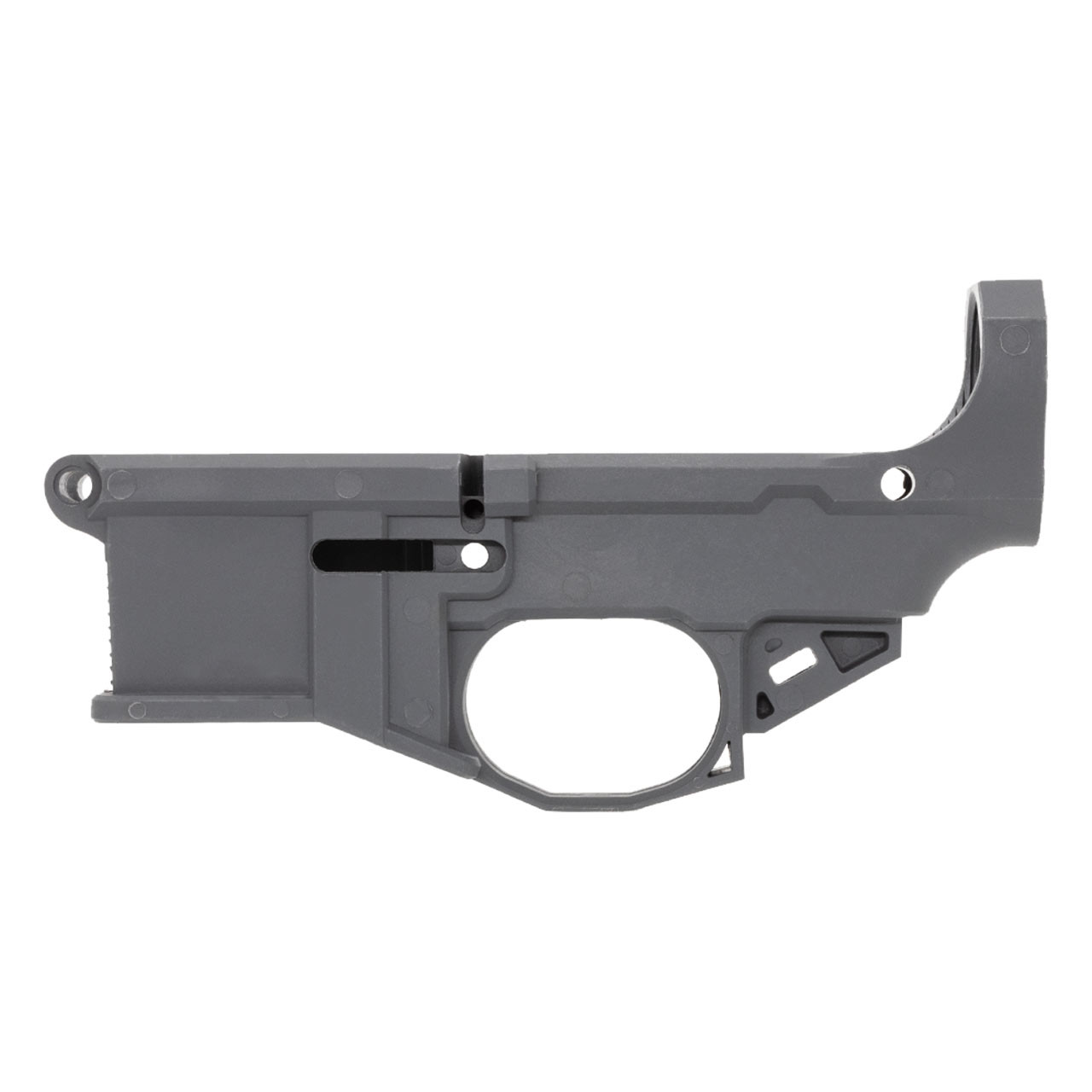
Firearms Safety & Handling Guidelines
A negligent discharge isn’t just range gossip – it’s what happens when a Glock 19 with a round chambered gets holstered with a shirt caught in the trigger guard. These 4 rules aren’t suggestions; they’re the ironclad laws that separate responsible owners from statistic makers.
1. Treat Every Firearm as Loaded
Even when you “know” it’s empty. The moment you assume that AR-15 on the bench is clear is when a .223 round goes through your neighbor’s target stand. Verify visually and physically: drop the mag (check for loaded PMAGs), lock the bolt back, and finger-inspect the chamber. This applies double when handling others’ firearms – that “unloaded” 1911 could have one in the pipe with the safety off.
2. Muzzle Discipline Saves Lives
Your barrel’s direction is your responsibility 100% of the time. At the range, that means keeping rifles like the Springfield Saint pointed downrange even during malfunctions. In the field, it’s ensuring your shotgun’s choke tube isn’t covering your hunting partner when crossing fences. The “pie rule” applies: only expose what you’re willing to destroy.
3. Finger Off Trigger Until Ready
Modern striker-fired pistols like the SIG P320 have lighter triggers than old DA/SA models. Resting your finger on the trigger during a holster draw or malfunction clearance is how “quick draws” become negligent discharges. Train with snap caps to build muscle memory for indexed trigger finger placement.
4. Know Your Target and Beyond
5.56 NATO rounds from your Daniel Defense DDM4 can penetrate drywall at 400 yards. Before squeezing the trigger, visualize the bullet’s path through your target and 500 yards past it. This is especially critical when hunting with high-powered rifles like the Bergara B-14 HMR – that .308 Win round retains lethal energy over a mile.
What’s the best way to store firearms at home?
For quick access: biometric safes like the Vaultek VT20i for handguns. For long-term storage: a Liberty Centurion 12-gun safe with dehumidifier rods. Never rely solely on trigger locks – they don’t prevent theft.
How often should I clean my firearm?
After every range session for carry guns (minimum 200 rounds). For hunting rifles shot seasonally: deep clean before storage. Use Break-Free CLP for routine maintenance and KG-12 Copper Remover for precision barrels.
Can I dry fire my pistol?
Most modern centerfires (Glock, SIG, etc.) are safe, but always use snap caps for repeated practice. Rimfires like the Ruger Mark IV require snap caps every time to avoid firing pin damage.
Browse our firearms collection
Last updated: April 28, 2026